
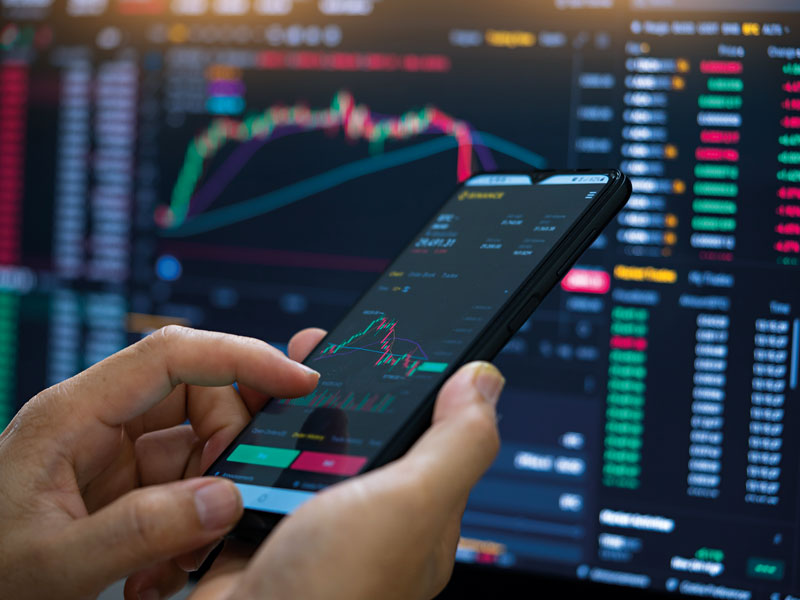
Introduction to High Liquidity Forex Trading
High liquidity sessions in the forex market can feel like, well, one of those really active and opportunity full places for traders worldwide. During these times, spreads typically tighten , price movement starts looking more steady in a practical sense, and order execution speeds tend to get noticeably better. The key instruments to watch in these conditions are the MOST TRADED FOREX PAIRS, because they usually draw the biggest volume and have a kind of reliability to them. At the same time traders often depend on FOREX TRADING SIGNALS to spot good entry areas and exit moments in markets that keep moving. Learning how liquidity shapes price action is important if you want to build repeatable trading results. In these active windows, major financial hubs, like London and New York, overlap so you see more volatility and—more or less—better chances to trade. When you blend awareness of MOST TRADED FOREX PAIRS with clear FOREX TRADING SIGNALS traders can move through these sessions more smoothly and cut down on risk that was unnecessary.
Understanding High Liquidity Trading Sessions
High liquidity trading sessions happen when major forex markets overlap, especially during the London–New York overlap. That overlap creates a jump in trading volume, so price action becomes more lively, and sometimes more responsive than usual. Traders who focus on MOST TRADED FOREX PAIRS often get tighter spreads and better execution, which is basically essential for short-term strategies. In that same environment, FOREX TRADING SIGNALS feel more useful since they help separate real movement from random noise, like you know, the stuff you would rather ignore. Liquidity also helps large orders get filled without too much slippage, so overall efficiency improves. During these periods, currency pairs like EUR/USD, GBP/USD, and USD/JPY dominate the activity .
Why MOST TRADED FOREX PAIRS really dominate the market
So, the forex market is kinda pushed by a small set of super liquid currency pairs—MOST TRADED FOREX PAIRS—that usually feature big currencies, like the US dollar, euro, and Japanese yen. These are the ones that show up most of the time in daily trading, they make up most of the volume, and you can feel how much they get swayed by global economic news and institutional activity. A lot of traders end up choosing MOST TRADED FOREX PAIRS when the liquidity is high, because the behavior feels more steady, and the trading costs stay lower, at least compared to less popular options. Also, FOREX TRADING SIGNALS often look “cleaner” on these pairs, since there is more market data and technical structures to work with. The price movement itself tends to feel smoother than it does on exotic currencies, so they become a common pick for scalping , and also for day trading strategies. If you pair MOST TRADED FOREX PAIRS with well-timed FOREX TRADING SIGNALS, traders can improve their odds of doing better in markets that never slow down.
Role of FOREX TRADING SIGNALS in active markets
In forex sessions that are really busy, FOREX TRADING SIGNALS don’t just help, they basically guide people through all that fast, volatile movement. These signals come from technical indicators, algorithmic models , or from what an expert analyst is seeing, and the goal is to help spot the best entry and exit zones. When MOST TRADED FOREX PAIRS are involved, signals usually get more dependable, partly because liquidity is stronger, and price pushing is less likely. Many traders rely on FOREX TRADING SIGNALS to verify breakout moves, potential trend flips, and changes in momentum. Since MOST TRADED FOREX PAIRS react quickly to economic data releases , having more accurate signals can help traders steer clear of impulse-based decisions.
Successful trading during high liquidity sessions needs some kind of clear plan, yet also a solid grasp of how the market behaves, and then disciplined execution. A lot of traders end up sticking with MOST TRADED FOREX PAIRS, because those markets tend to keep flowing smoothly with steadier liquidity and smaller spreads around the busiest hours. Meanwhile, FOREX TRADING SIGNALS can be used to sharpen the whole approach, like pointing out the moments where there’s a noticeable chance brewing, not just random movement.
In practice, scalping and intraday trading often feel like the best fit here, since prices can swing pretty fast and you have more opportunities to react. Still, risk management matters a lot, because even MOST TRADED FOREX PAIRS can suddenly jump hard when major news hits, and that can catch people off guard. When you blend FOREX TRADING SIGNALS into a more structured trading plan, you often get better timing and less uncertainty overall. And if you pair technical analysis with an awareness of liquidity depth or flow, then your decisions stay more evidence-led and efficient, instead of feeling like a guess.
Conclusion: Making More Chances Work in Liquid Markets
High liquidity sessions kinda feel like the sweet spot for forex traders, since you can stay engaged more often and usually get tighter spreads. If you focus on MOST TRADED FOREX PAIRS, traders tend to benefit from smoother and more expected price movements, especially when the market is really active. At the same time, FOREX TRADING SIGNALS give you practical direction, for spotting trade setups that might actually pan out, in real time. Put the two together, and you get this strong way of trading, it can improve precision and also help keep risk more controlled.
Also, it matters a lot to grasp market timing, how liquidity moves, and whether a signal stays dependable. In the long run, the people who effectively combine MOST TRADED FOREX PAIRS with FOREX TRADING SIGNALS are usually in a better position to handle the speed of global forex markets and keep getting consistent outcomes.